What repetition, catalog dominance and longevity say about electronic music today
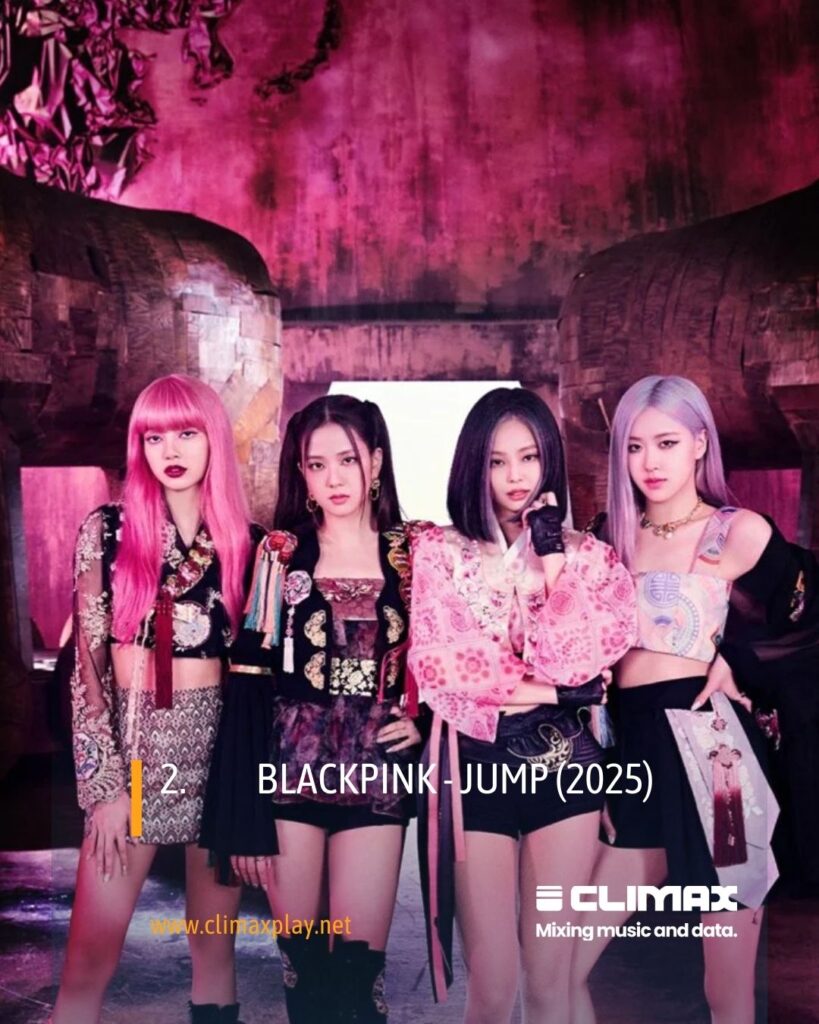
Spotify’s 2025 global data reveals a clear pattern in electronic music consumption: the tracks played the most are not necessarily the newest, the boldest, or the most innovative. They are the most repeatable.
This Top 10 is not a celebration of releases.
It is a measurement of behavior.
Across the list, records released between 2011 and 2025 coexist, with a strong presence of catalog titles that have already proven their endurance over time. The data points toward stability rather than disruption, familiarity rather than novelty.
A Catalog-Driven Top 10
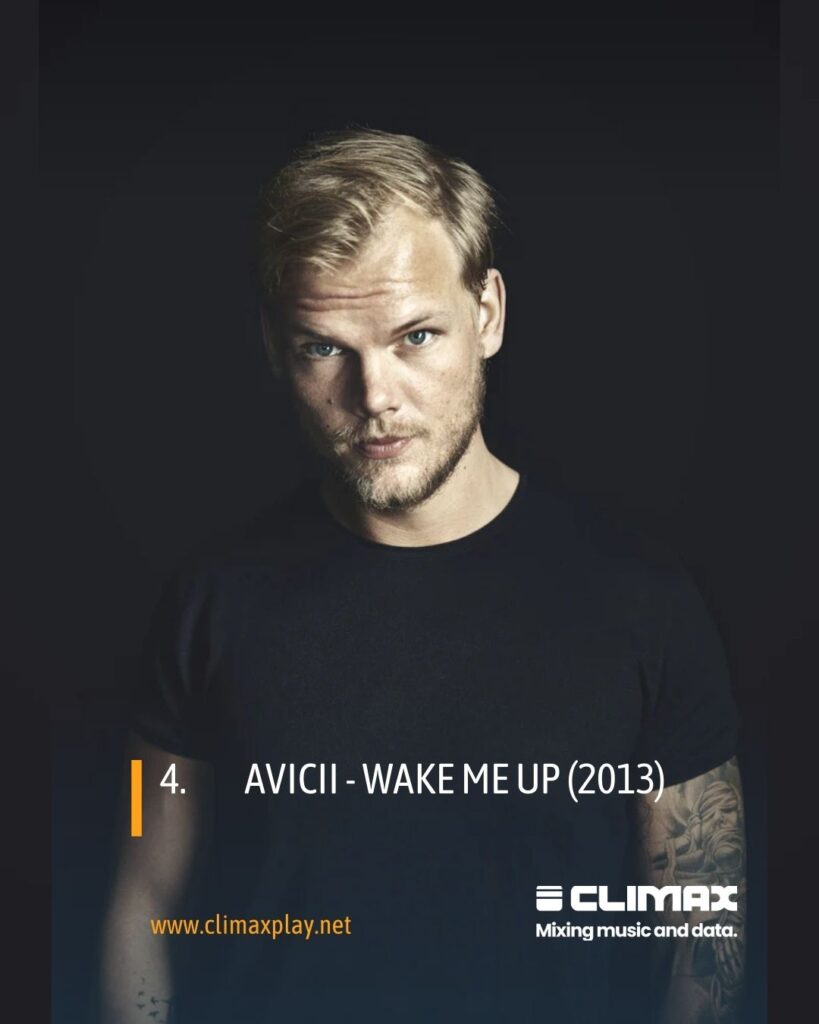
Tracks such as Titanium, Wake Me Up and The Nights continue to dominate global play counts more than a decade after release.
Their presence confirms a structural reality: electronic music on streaming platforms increasingly behaves as catalog music. Once a track enters Spotify’s high-rotation ecosystem, it gains cumulative advantage year after year through playlists, algorithmic trust, and constant rediscovery by new listeners.
Longevity compounds.
The Power of Crossover Records
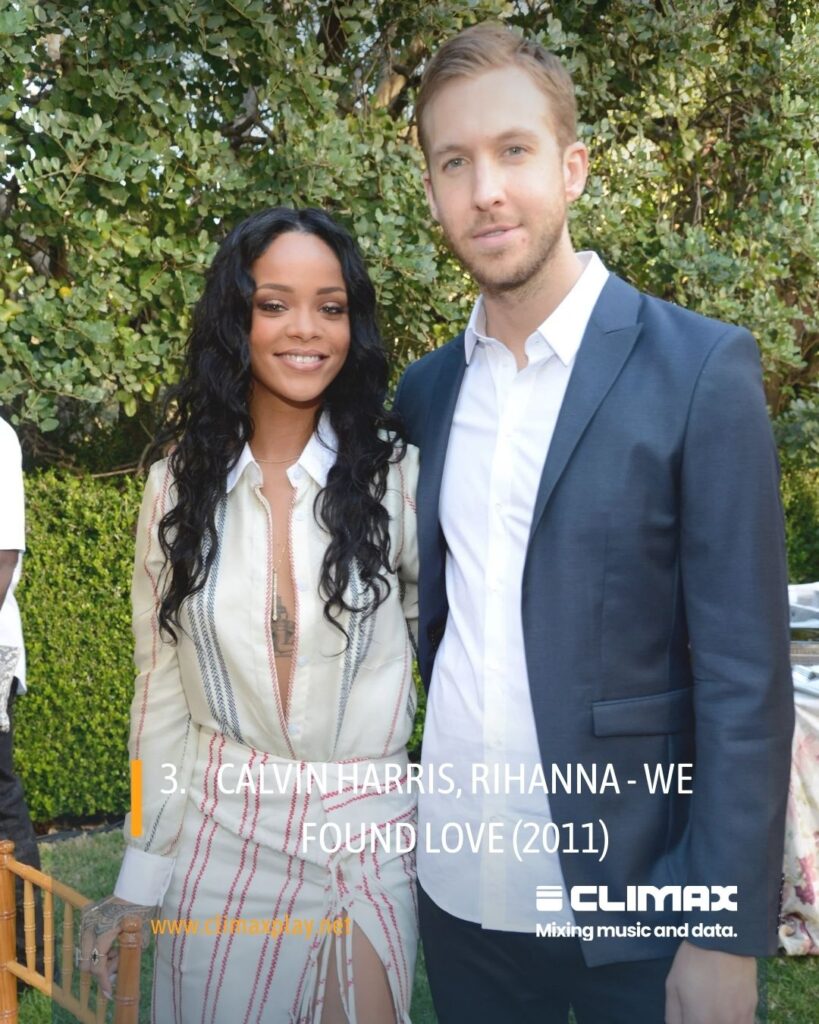
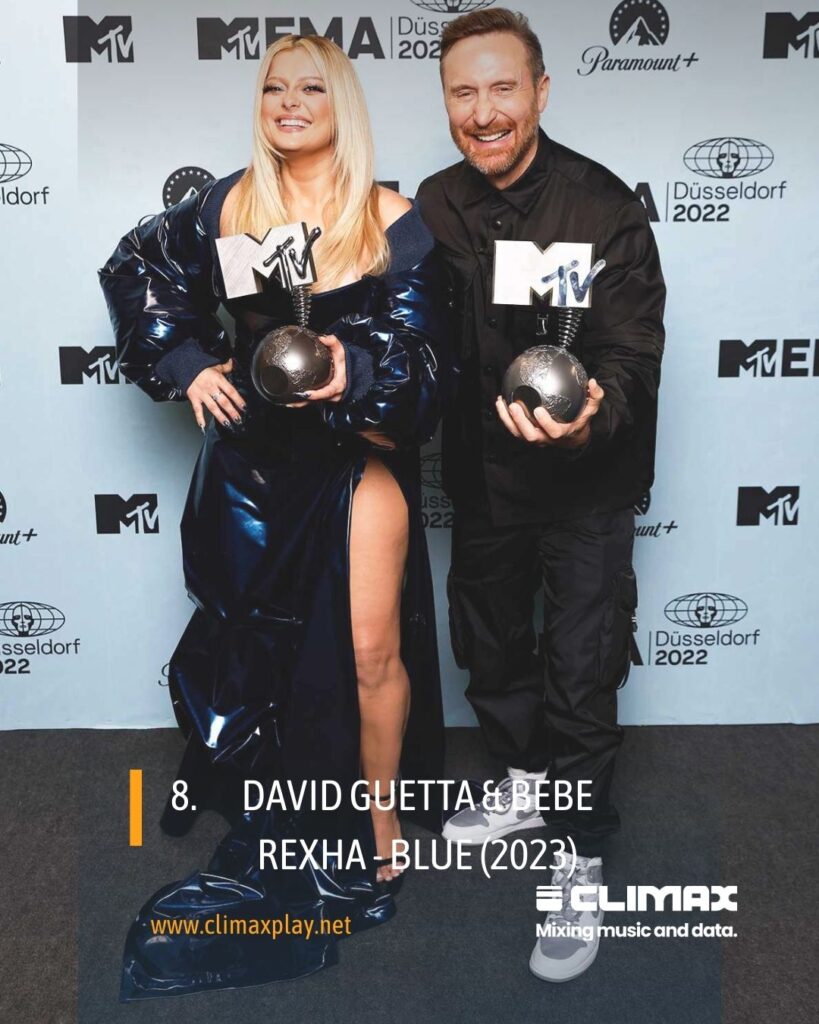
A recurring element across the ranking is crossover appeal. Songs like We Found Love, Outside and Blue sit at the intersection of electronic production and mainstream pop.
These records perform well across multiple listening contexts: workouts, radio-style playlists, lifestyle playlists, and casual listening environments. Streaming platforms reward this versatility. Club specificity matters less than cross-context usability.
New Entries, Familiar Mechanics
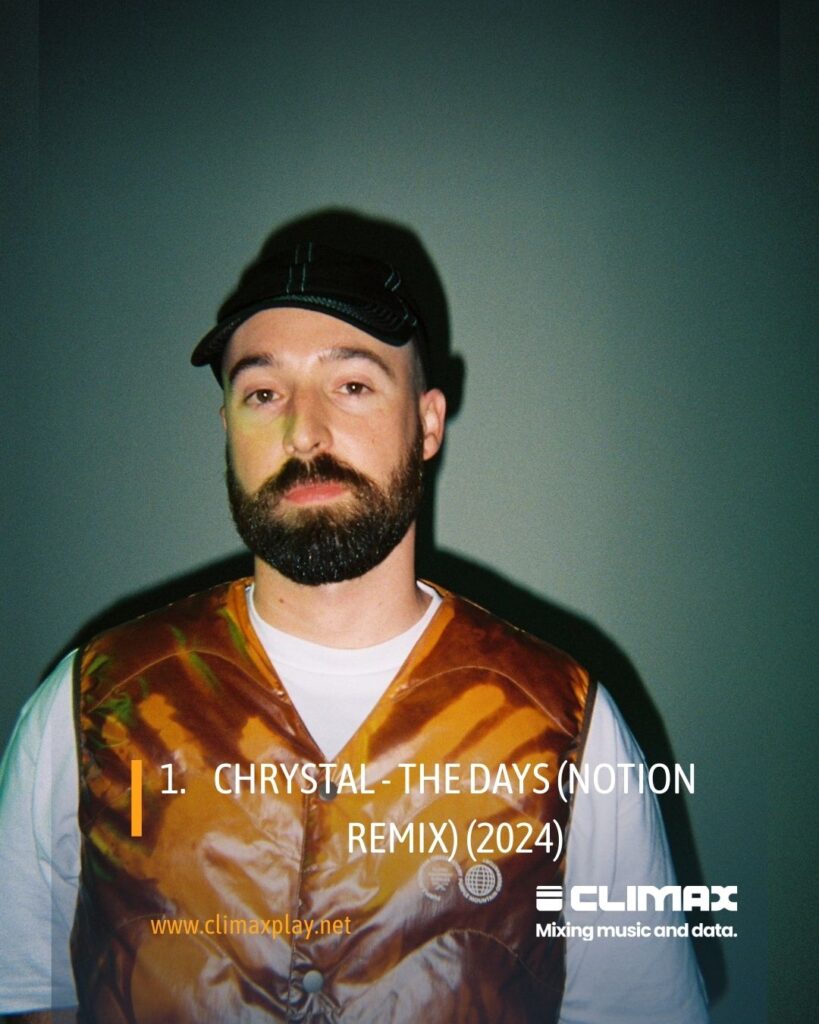
Recent releases like No Broke Boys, I Adore You and The Days (Notion Remix) demonstrate that new music can still enter the Top 10.
However, when it does, it follows the same logic as legacy hits: high replay value, low friction, strong playlist positioning, and broad accessibility. Innovation alone does not guarantee repetition. Structure does.
A Signal, Not a Verdict
The dominance of older records in a 2025 “most played” list raises an unavoidable question: are fewer new tracks reaching truly legendary status?
This is not proof of declining creativity.
It is a signal.
The conditions that once allowed records to become decade-spanning anthems have changed. Streaming algorithms reward familiarity. Playlists reward predictability. Proven performance is favored over discovery risk. As a result, catalog tracks accumulate advantage simply by continuing to exist within the system.
Whether new releases can still break into long-term cultural permanence will only be confirmed over time. The next years will tell if this is a temporary phase or the beginning of a prolonged catalog era.

Catalog Gravity and the New Classic Barrier
Once a track becomes a global anthem, it benefits from structural gravity. Every additional year in rotation strengthens its algorithmic profile, making it harder for new releases to displace it. This creates a “new classic barrier” that is not artistic, but systemic.
Breaking through today requires more than quality. It requires alignment across playlists, platforms, demographics, and listening contexts simultaneously.

Streaming as Utility, Not Culture
A large portion of Spotify listening is functional: background music, workouts, commuting, social environments. In these contexts, familiarity outperforms curiosity. Older anthems deliver emotional efficiency with minimal cognitive effort.
Electronic music, in streaming terms, increasingly functions as utility rather than exploration.

Two Ecosystems, Two Realities
This ranking reflects Spotify behavior, not club culture.
A track can dominate dancefloors and remain invisible on streaming platforms. Another can thrive on Spotify while rarely appearing in DJ sets.
Clubs and streaming now operate as parallel ecosystems with different rules, incentives, and success metrics.
What This Ranking Actually Measures
This Top 10 does not define artistic relevance or cultural importance.
It measures repetition at scale.
It shows what listeners return to, not what critics praise or what the industry promotes. In 2025, electronic music streaming favors stability, recognition, and low-risk engagement.
This is not a forecast of the future.
It is a map of gravity.